

Skip to content
Vaughn Associates, Inc.

Industry

Pulp & Paper

Combustion, emissions, gas detection and vibration instrumentation for kraft pulp, paper and containerboard mills.

Instrumentation for Pulp & Paper

Pulp and paper mills need instrumentation that squeezes more steam out of every ton of fuel, documents emissions compliance, protects workers from toxic gases and keeps rotating equipment running. The core measurements are flue gas oxygen and combustibles on power and biomass boilers, stack pollutants such as mercury, fixed detection for hydrogen sulfide and chlorine, and vibration on paper machines, fans and pumps.

Mills are large, continuous operations where an unplanned shutdown or a boiler trip costs production across the entire site. Fuel is also one of a mill’s largest controllable costs, so better combustion control often pays back quickly while lowering CO and NOx.

The pulp and paper landscape in the Southeast

The Southeast’s abundant pine forests support a dense concentration of kraft pulp, containerboard, paper, tissue and fluff pulp mills. Mills operate in Alabama, Georgia, Louisiana, Arkansas, Mississippi, South Carolina, North Carolina, Florida, Tennessee and Virginia, many of them in rural communities where they are a major employer.

Most large mills run their own power and recovery boilers, often firing bark and wood residue alongside other fuels, and operate their own water and wastewater treatment. That combination of combustion, chemical recovery and continuous machinery makes mills especially instrumentation-intensive sites.

Solutions we provide

  • Combustion control: LAMTEC burner management systems, flame scanners, lambda transmitters and KS1D combination probes deliver O2 trim and CO/H2 control for power boilers, including modular CO/lambda control for biomass combustion.
  • Emissions and mercury: Ohio Lumex supplies continuous mercury monitors, Method 30B sorbent traps and samplers, traps for acid gases and metals, and accredited lab and field testing. See continuous emissions and mercury monitoring.
  • Gas detection: Delphian fixed electrochemical detectors for H2S, chlorine and CO, plus infrared and catalytic combustible gas monitors and multipoint controllers. See gas detection systems.
  • Vibration analysis: Prosig portable DATS systems for machine condition diagnostics, resonance checks and order analysis on rotating equipment. See noise and vibration analysis.

Delphian and Ohio Lumex are available in North Carolina but not Virginia within our Carolinas and Mid-Atlantic territory, while LAMTEC and Prosig are available in all Vaughn territories.

How Vaughn Associates supports pulp and paper teams

Vaughn Associates is an independent manufacturer’s representative and MANA member. Our sales engineers cover mill regions throughout the Southeast, and our Gulf Coast team brings deep emissions and analytical instrumentation experience.

  • Application review: we help define fuels, flue gas conditions, gas hazards, alarm points and vibration measurement needs.
  • Quote coordination: we work with factory engineers on system scope and configuration. Customers typically purchase directly from the manufacturer.
  • Demos and evaluations: we arrange demonstrations, rentals or evaluations where the manufacturer supports them, which fits outage planning.
  • Follow-through: we connect mill staff with factory commissioning, calibration and technical support.

Tell us about your mill on the For Engineers page or find your area sales manager on the territories page.

Challenges we help solve

What pulp & paper teams need from their instrumentation.

01

Power and biomass boiler efficiency

Mills burn bark, wood waste and fossil fuels whose moisture and heating value change constantly. Holding excess air in check requires in-situ O2 and combustibles measurement tied to responsive fuel/air control.

02

Air permit and Boiler MACT compliance

Industrial boilers at mills fall under 40 CFR Part 63 Subpart DDDDD, and kraft mill sources carry additional NSPS and NESHAP requirements. Plants must demonstrate compliance for pollutants such as mercury, CO and TRS.

03

Toxic gas exposure

Hydrogen sulfide from pulping, recovery and wastewater areas and chlorine used in water treatment create exposure risks that call for fixed, well-maintained detection.

04

Paper machine and rotating equipment reliability

Rolls, dryers, fans, pumps and gearboxes run continuously, and developing imbalance, bearing or resonance problems can force unplanned shutdowns of an entire line.

FAQ

Pulp & Paper: common questions

How can a mill improve biomass boiler efficiency?

Start by measuring oxygen and unburned combustibles directly in the flue gas, then use those readings to trim combustion air as fuel moisture and load change. LAMTEC offers O2 trim and modular CO/lambda control for biomass combustion using its LT3 transmitter and KS1D combination probe. Actual savings depend on the boiler, fuel variability and the controls already in place.

What gases should be monitored in a pulp and paper mill?

Hydrogen sulfide around pulping, recovery and wastewater areas is a common concern, along with chlorine where it is stored or used, combustible gases near fuel systems and carbon monoxide near combustion equipment. A hazard analysis should set detector locations and alarm points. Delphian offers electrochemical H2S, chlorine and CO detection plus catalytic and infrared combustible gas monitors.

Can mercury emissions from a mill boiler be tested without a permanent CEMS?

Often, yes. Sorbent trap sampling collects mercury on a packed trap over a defined period for laboratory analysis under EPA Method 30B. Ohio Lumex supplies the traps, the OLM30B sampler, an in-house trap analyzer and accredited lab analysis, and it rents mercury analyzers for short studies. Confirm the monitoring approach your permit requires before selecting equipment.

Who supports pulp and paper mills in the Southeast with instrumentation?

Vaughn Associates, Inc. supports mills across Alabama, Georgia, the Carolinas, Tennessee, Arkansas, Mississippi, Louisiana, Florida and Virginia from offices in Huntsville, Alabama and Baton Rouge, Louisiana. Sales engineers review combustion, emissions, gas detection and vibration applications and coordinate quotes and technical questions with each manufacturer. Some lines vary by state, so find your rep at /territories/.

Related insights

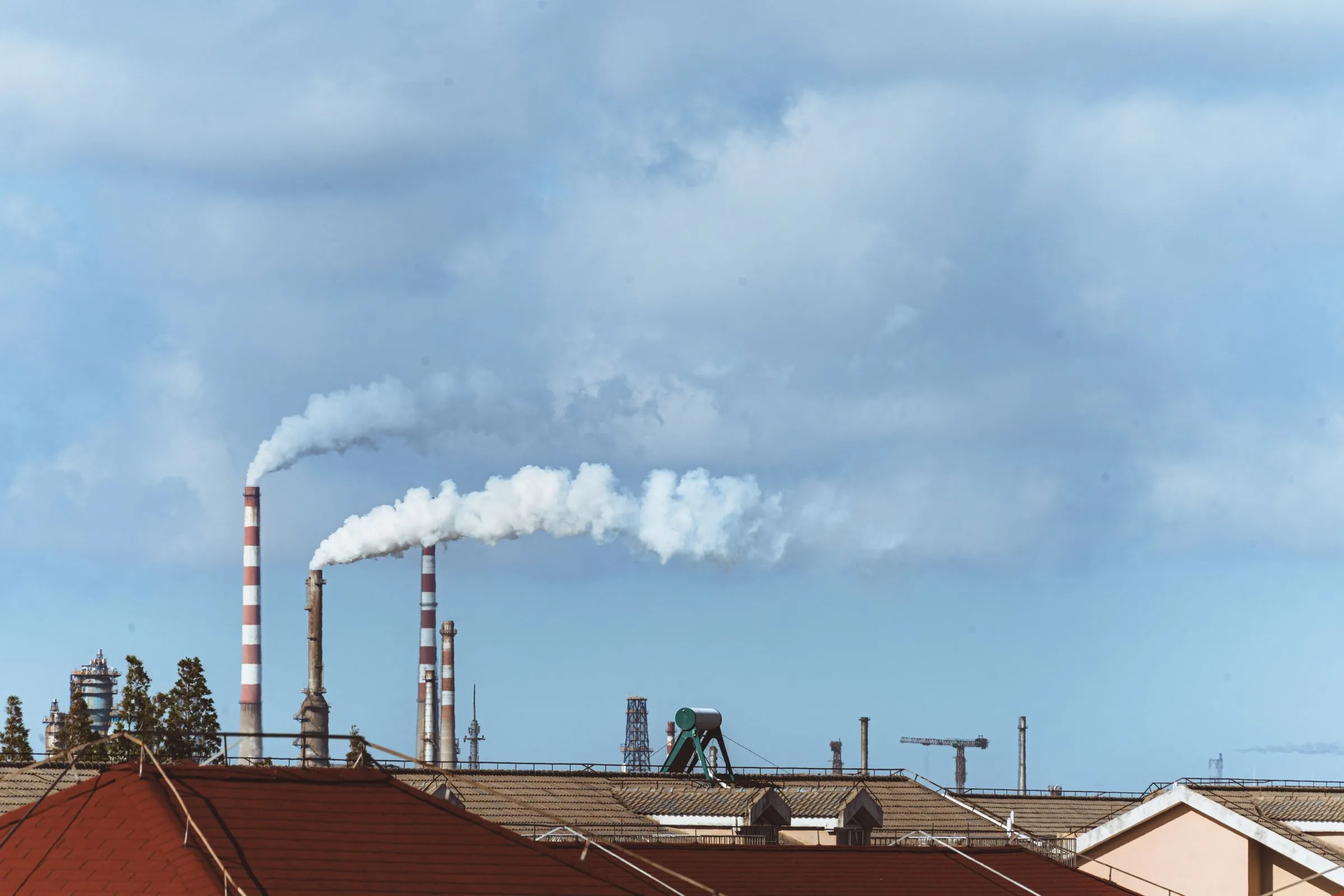
Factory chimneys emitting smoke over rooftops on a clear day, illustrating urban pollution.
Industry Insights

CEMS Basics: EPA Part 60 vs. Part 75 Emissions Monitoring

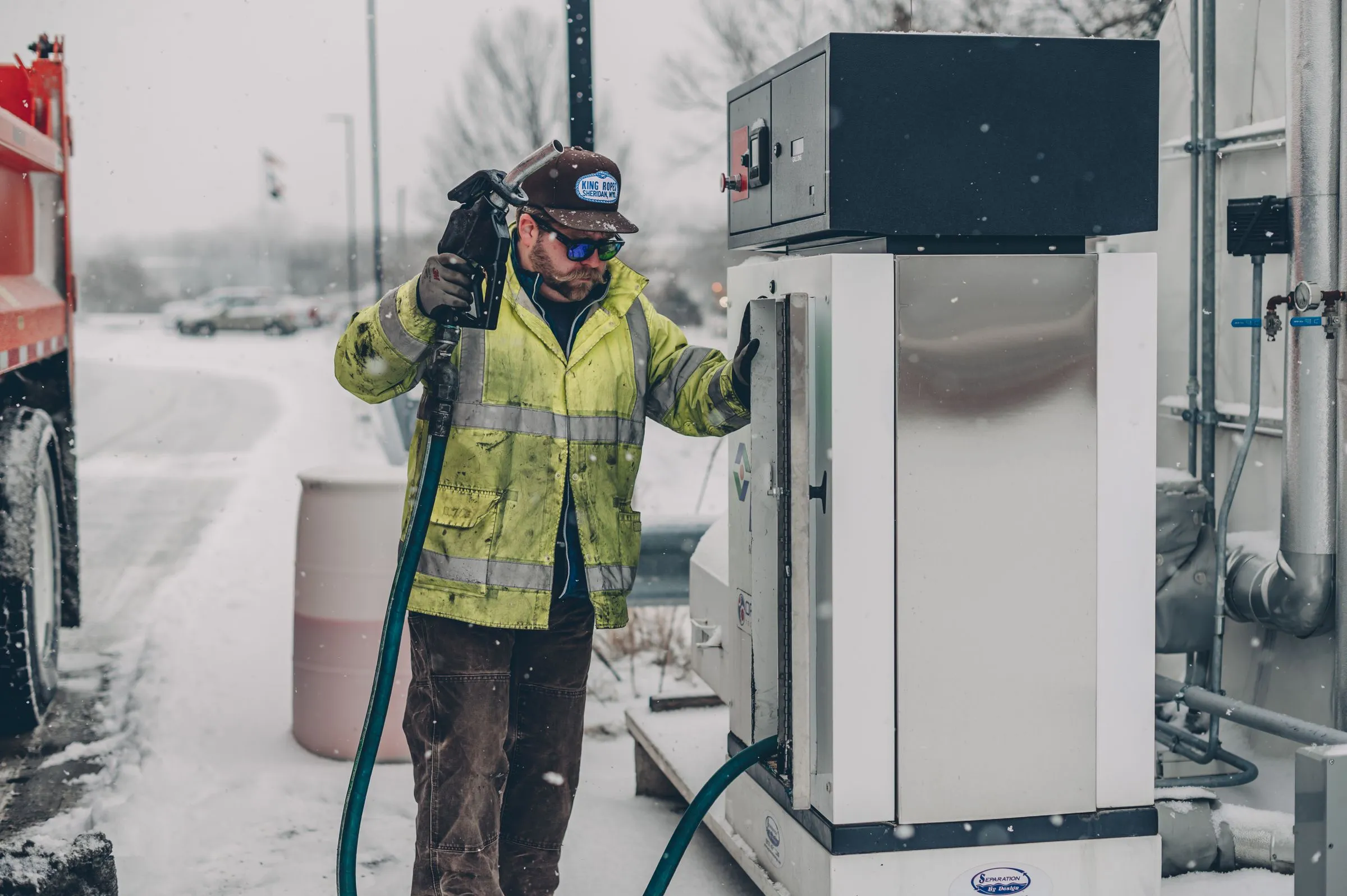
A man wearing a jacket refuels a truck at a gas station during winter with snow falling.
Application Notes

Fixed Gas Detection: Choosing Sensors, Placement & Calibration

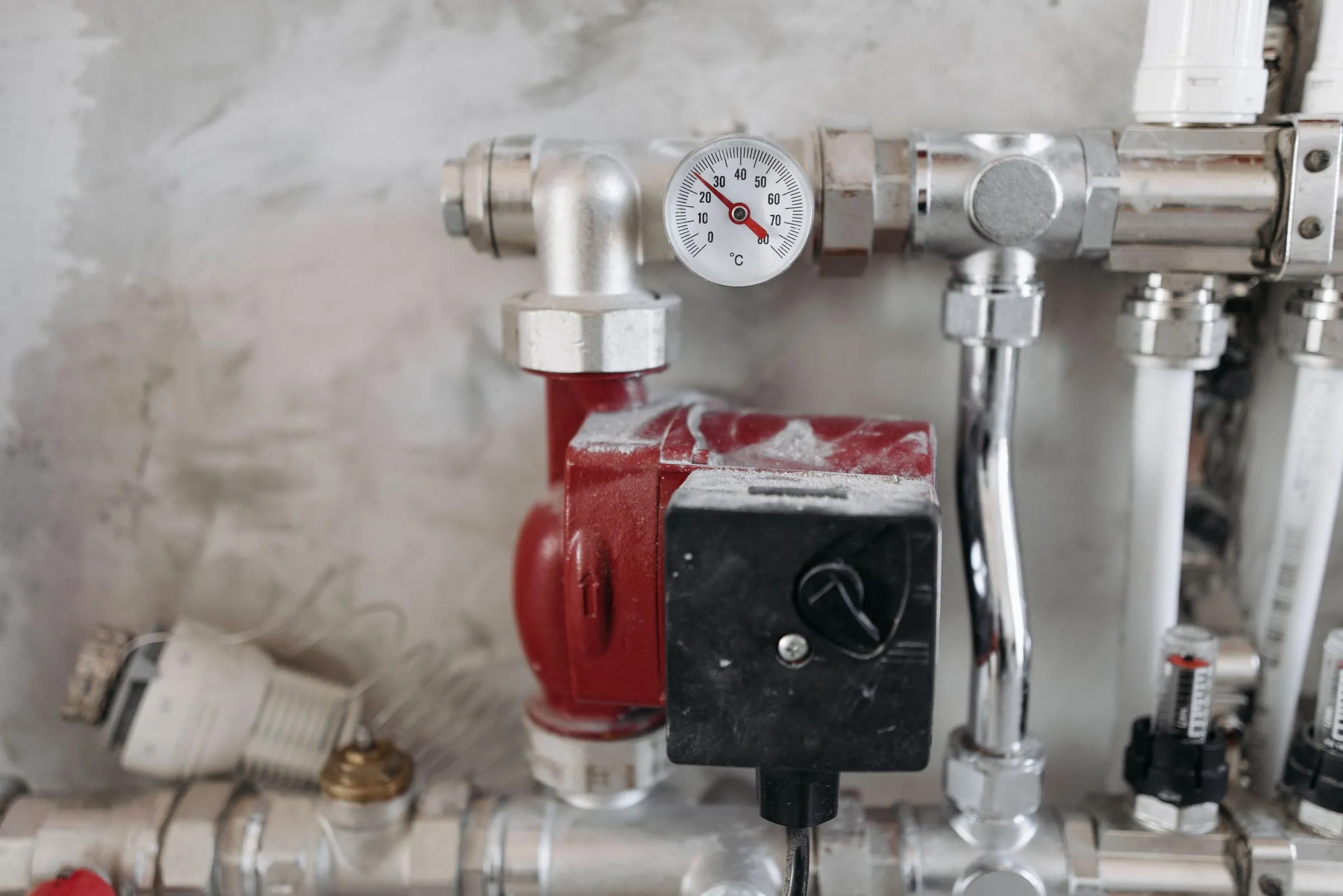
Close-up view of an industrial plumbing system featuring a pressure gauge and steel pipes.
Application Notes

O2 Trim and CO Control for Boilers: How They Save Fuel

Pulp & Paper

Talk to a sales engineer who knows pulp & paper.

Tell us about your plant, lab or program. We’ll connect you with the right manufacturer and product.

We respond within one business day. We never share your information.