
What is a gas detection system?
A fixed gas detection system is a permanently installed set of detectors, transmitters and controllers that continuously samples the air for combustible or toxic gases and triggers alarms, ventilation or shutdowns before a leak becomes a fire, explosion or exposure. Each detection point converts gas concentration into a signal, usually 4–20 mA or Modbus, that a controller, PLC or safety system acts on.
Portable monitors protect the person wearing them. Fixed systems protect an area around the clock: compressor buildings, tank farms, analyzer shelters, ammonia machinery rooms and wastewater lift stations. Every system has the same three layers: a detector at the potential leak source, logic that compares readings to alarm setpoints, and a calibration program that keeps both honest.
How gas sensors work
Point gas detectors rely on four main sensing principles. Choosing the right one for each gas and location matters more than any other design decision.
- Catalytic bead (pellistor): Combustible gas oxidizes on a heated, catalyst-coated bead. The heat released changes the bead’s resistance, which a Wheatstone bridge converts to a % LEL reading.
- Infrared: Hydrocarbon molecules absorb infrared energy at characteristic wavelengths. The detector compares active optical channels against a reference channel to calculate concentration.
- Electrochemical: Gas diffuses through a membrane and reacts at an electrode, producing a current proportional to concentration. This is the standard method for ppm-level toxic gases and oxygen.
- Semiconductor (metal oxide): Gas adsorbing onto a heated metal-oxide film changes its resistance. It is rugged, but less selective than an electrochemical cell.
| Technology | Typical gases | Reads in | Strength | Watch-outs |
|---|---|---|---|---|
| Catalytic bead | Methane, propane, solvents, hydrogen | % LEL | Low cost; detects hydrogen | Catalyst poisoning; regular span checks |
| Infrared | Methane and other hydrocarbons | % LEL or % volume | Poison-immune; self-monitoring | Cannot see hydrogen |
| Electrochemical | H2S, CO, NH3, Cl2, SO2, NO2, HCN, O2 | ppm (O2 in %) | Selective at low levels | Finite cell life; cross-sensitivity |
| Semiconductor | H2S | ppm | Tolerates heat and dry air | Lower selectivity |
Common applications
Across the Southeast, fixed gas detection shows up wherever flammable or toxic gases are made, stored or used:
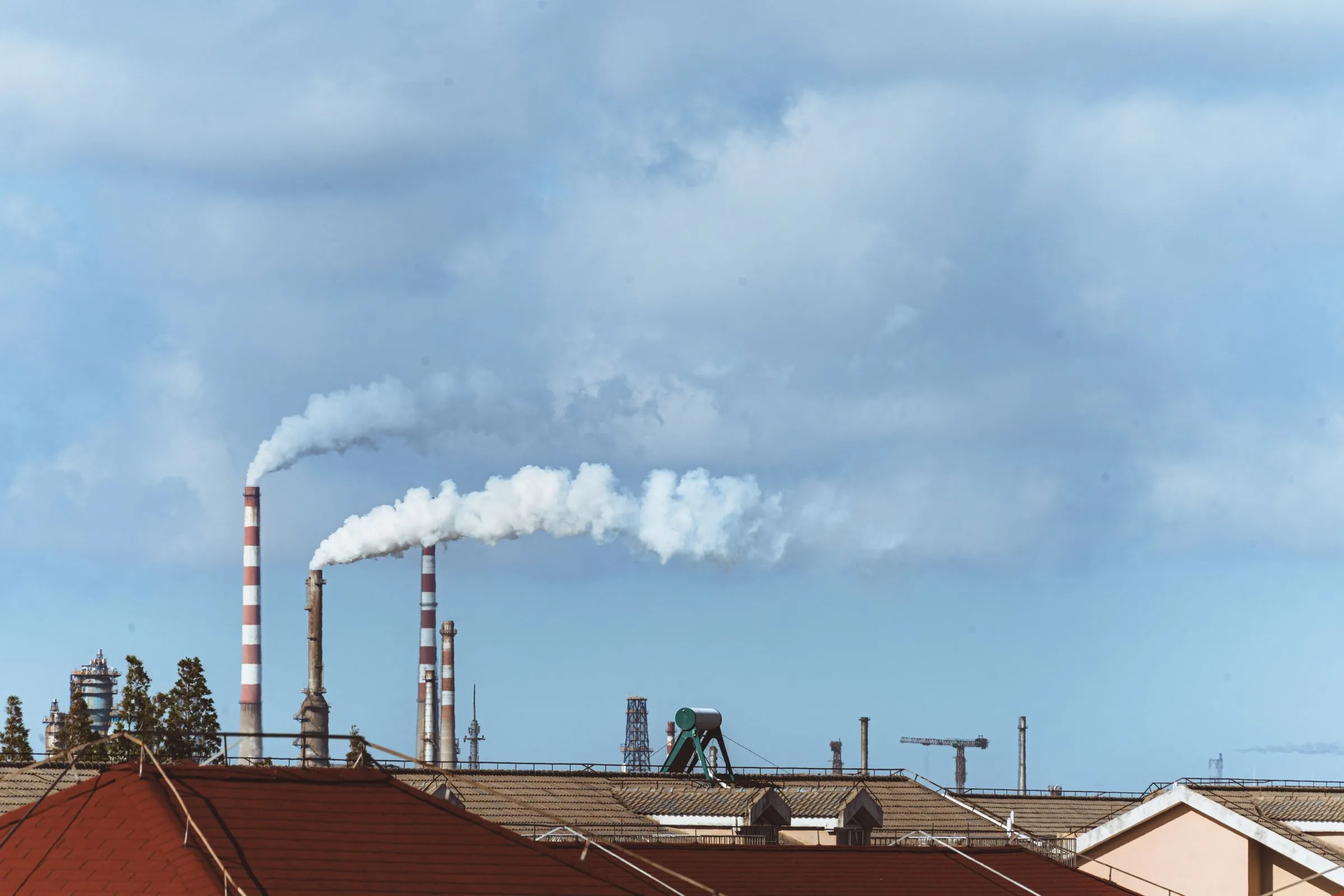
- Gulf Coast refining and petrochemical plants: hydrocarbon detection at pumps, compressors and loading racks, and H2S monitoring around sour water and sulfur units in Class I, Division 1 and 2 areas.
- Chemical plants: ammonia, chlorine and solvent vapors such as acetone, MEK and toluene.
- Pulp and paper mills: hydrogen sulfide and chlorine exposure points in mills from Alabama to Louisiana.
- Wastewater treatment: H2S and methane at headworks, digesters and lift stations.
- Food processing and cold storage: ammonia refrigeration machinery rooms.
- Fuel storage and handling: gasoline, jet fuel and naphtha vapors at terminals and airfields.
Choosing the right gas detection system
Start with a gas hazard review rather than a catalog. Identify each gas, where it could leak, and how it will move once released, since density and ventilation decide where a detector will actually see it. Then set alarm levels against your exposure limits or % LEL targets and work backward to sensor range and technology.
Most facilities end up with a mix: infrared heads for low-maintenance hydrocarbon coverage, catalytic sensors where hydrogen is present, and electrochemical cells for toxics. The practical question is how many points you can calibrate and maintain. One-person calibration, self-diagnostics and a controller architecture that fits your PLC or DCS often matter more over a system’s life than purchase price.
Manufacturers we represent for gas detection
Delphian Corporation of Northvale, New Jersey, designs fixed-point gas detection that covers catalytic bead, infrared, electrochemical and semiconductor sensing from one supplier. Its GazTell platform is a modular smart head that logs calibration history and sensor life and accepts optional relay, remote display and Modbus modules. The Determinator infrared detector carries FM and CSA approvals. SafeCAL magnetic calibration lets one technician calibrate without opening an explosion-proof housing. For larger sites, Flexirack controllers and the SAGE-CE networked system bring many points onto one interface, and Delphian still supplies replacement sensors and calibration kits for installed systems.
Get local application support
Vaughn Associates’ engineers can walk your unit, review gas hazards and detector placement, and help you compare sensor technologies before you commit to a design. As a manufacturer’s representative, we coordinate quotes and technical questions with the factory, and you typically purchase directly from the manufacturer.
Start with our engineering support page, request a quote, or find the area manager for your state on our territories page.