
Skip to content
Vaughn Associates, Inc.

Industry

Chemical

Toxic gas detection, analyzers and emissions instrumentation that keep chemical plants safe, compliant and efficient.

Instrumentation for Chemical

Chemical plants need to detect toxic and flammable gas releases quickly, analyze process and stack gas composition, and run boilers and heaters efficiently. Engineers also need precise control of gas flows in pilot plants, analyzers and laboratories where small errors affect yield, product quality or test results.

Those measurements sit at the center of process safety and environmental compliance. Detector coverage and calibration records support mechanical integrity programs, stack analyzers generate the data behind air permits, and reliable combustion measurement lowers both fuel costs and emissions. Many streams are wet, corrosive or multi-component, which makes careful instrument selection essential.

The chemical landscape in the Southeast

Chemical manufacturing is one of the Southeast’s anchor industries. Louisiana’s Mississippi River corridor between Baton Rouge and New Orleans and the Lake Charles area host large commodity and specialty chemical complexes. The Mobile area in Alabama, the Tennessee River valley in north Alabama and northeast Tennessee also support major chemical and polymer plants.

Specialty chemical, coatings, fibers and pharmaceutical intermediate producers operate across Georgia, South Carolina, North Carolina and Virginia. Many of these sites run their own utilities, wastewater treatment and QC laboratories alongside their production units, which widens the range of measurement needs on a single campus.

Solutions we provide

  • Gas detection: Delphian GazTell electrochemical heads cover chlorine, ammonia, hydrogen cyanide, H2S and more, with infrared and catalytic detectors, controllers and multipoint SAGE-CE systems. See gas detection systems.
  • Emissions monitoring: ENVEA (formerly Altech) multi-gas NDIR, FTIR and FID analyzers and complete CEMS for plants in our Louisiana and Gulf Coast territory.
  • Process and trace analysis: Ohio Lumex acid dew point monitors for sulfuric acid service, mercury analyzers, sorbent traps for acid gases and SO3, and accredited laboratory analysis. See process analyzers.
  • Combustion control: LAMTEC burner management, flame monitoring and O2 trim for boilers, thermal oil heaters and process furnaces, including hazardous-area options.
  • Gas flow control: Parker Precision Fluidics, including Porter mass flow controllers and rotameters, for pilot plants and analytical systems. See precision fluidics and mass flow control. Vaughn represents Parker in Georgia, Florida and the Florida Panhandle.

How Vaughn Associates supports chemical teams

Vaughn Associates is an independent manufacturer’s representative and MANA member. Our Gulf Coast team includes specialists with long experience in chemical plant analytical instrumentation, and our sales engineers across the territory support gas detection and combustion projects.

  • Application review: we help define gases, ranges, sample conditions, area classification and alarm strategy.
  • Quote coordination: we work with factory engineers on configuration, documentation and delivery. Customers typically purchase directly from the manufacturer.
  • Demos and evaluations: we arrange demonstrations, rentals or evaluations where the manufacturer supports them.
  • Follow-through: we connect you with factory calibration, spare parts and technical support.

Tell us about your plant on the For Engineers page or find your rep on the territories page.
Challenges we help solve

What chemical teams need from their instrumentation.

01

Toxic gas releases

Chlorine, ammonia, hydrogen cyanide, hydrogen sulfide and other toxic gases demand ppm-level fixed detection with dependable alarms that support OSHA Process Safety Management and EPA Risk Management Program obligations.

02

Stack and process emissions under NSPS and NESHAP

Chemical sources face 40 CFR Part 60 and Part 63 requirements for pollutants such as HCl, HF, VOCs and NOx, often in wet, multi-component streams that complicate analyzer selection.

03

Acid gas corrosion in sulfuric acid and sulfur service

Sulfuric acid plants and sulfur-bearing flue gas create corrosion and leak risks when process temperatures drop below the acid dew point.

04

Steam and thermal oil heater efficiency

Chemical sites run boilers, thermal oil heaters and process furnaces around the clock, so modest reductions in excess air translate into meaningful fuel and CO2 savings.

05

Precise gas delivery in pilot plants and labs

Pilot reactors, analyzers and QC laboratories need stable, repeatable gas flow control, often in wet, corrosive or hazardous-area environments.

FAQ

Chemical: common questions

Which toxic gases can a Delphian GazTell detector monitor?

GazTell electrochemical heads are offered for ammonia, carbon monoxide, chlorine, hydrogen cyanide, hydrogen sulfide, nitrogen dioxide, sulfur dioxide and oxygen, and the head recognizes the installed cell automatically. Output is 4–20 mA, with optional relay, remote display and Modbus RTU modules. The 2017 datasheet lists Class I, Divisions 1 and 2, Groups C and D, so confirm current certificates with the factory.

Can one analyzer measure HCl, HF and other stack gases at a chemical plant?

Multi-component analyzers can. ENVEA's MIR 9000 uses gas filter correlation to measure up to ten gases, including HCl, HF, SO2, NOx and CO, with built-in paramagnetic O2, and its FTIR analyzers report many infrared-active species from one spectrum. The right choice depends on your permit, stream moisture and interferences, so share a gas composition with your request.

How often should fixed gas detectors be calibrated?

Follow the manufacturer's instructions and your site's mechanical integrity program. Delphian recommends calibration every 30 to 90 days and offers one-person magnetic calibration on SafeCAL and GazTell detectors that avoids opening explosion-proof housings. Sensor type, contaminants and alarm history can justify shorter intervals, so trend calibration results instead of relying on a fixed schedule alone.

Where can chemical plant engineers in Louisiana and the Southeast find instrumentation support?

Vaughn Associates, Inc. supports chemical manufacturers from its Baton Rouge, Louisiana office and Huntsville, Alabama headquarters, with sales engineers across eleven states and Washington, D.C. They review gas detection, analyzer, emissions and combustion applications, coordinate quotes with each manufacturer and arrange demonstrations where the factory supports them. Start at /for-engineers/ or find your rep at /territories/.

Related insights

Factory chimneys emitting smoke over rooftops on a clear day, illustrating urban pollution.
Industry Insights

CEMS Basics: EPA Part 60 vs. Part 75 Emissions Monitoring

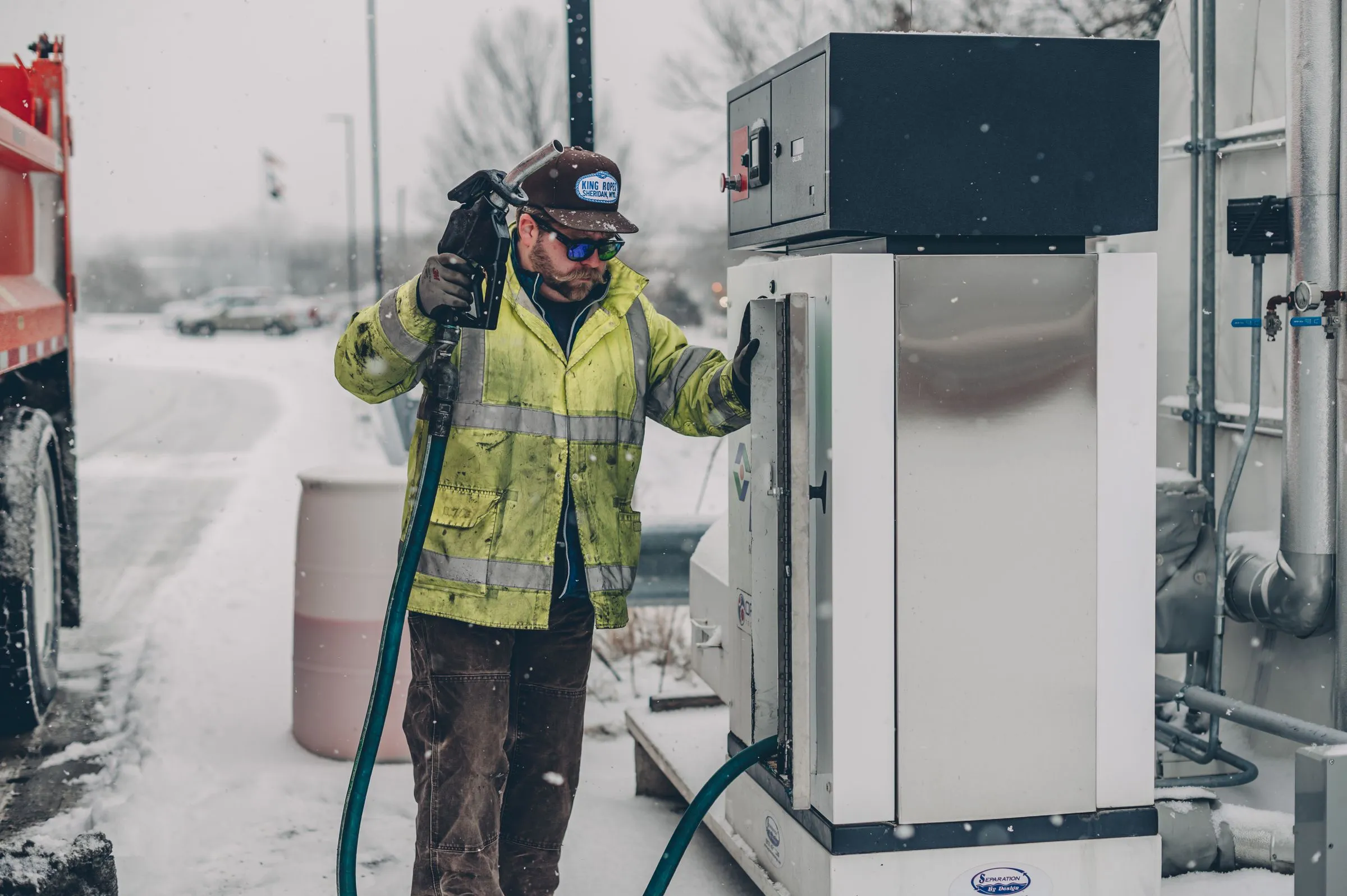
A man wearing a jacket refuels a truck at a gas station during winter with snow falling.
Application Notes

Fixed Gas Detection: Choosing Sensors, Placement & Calibration

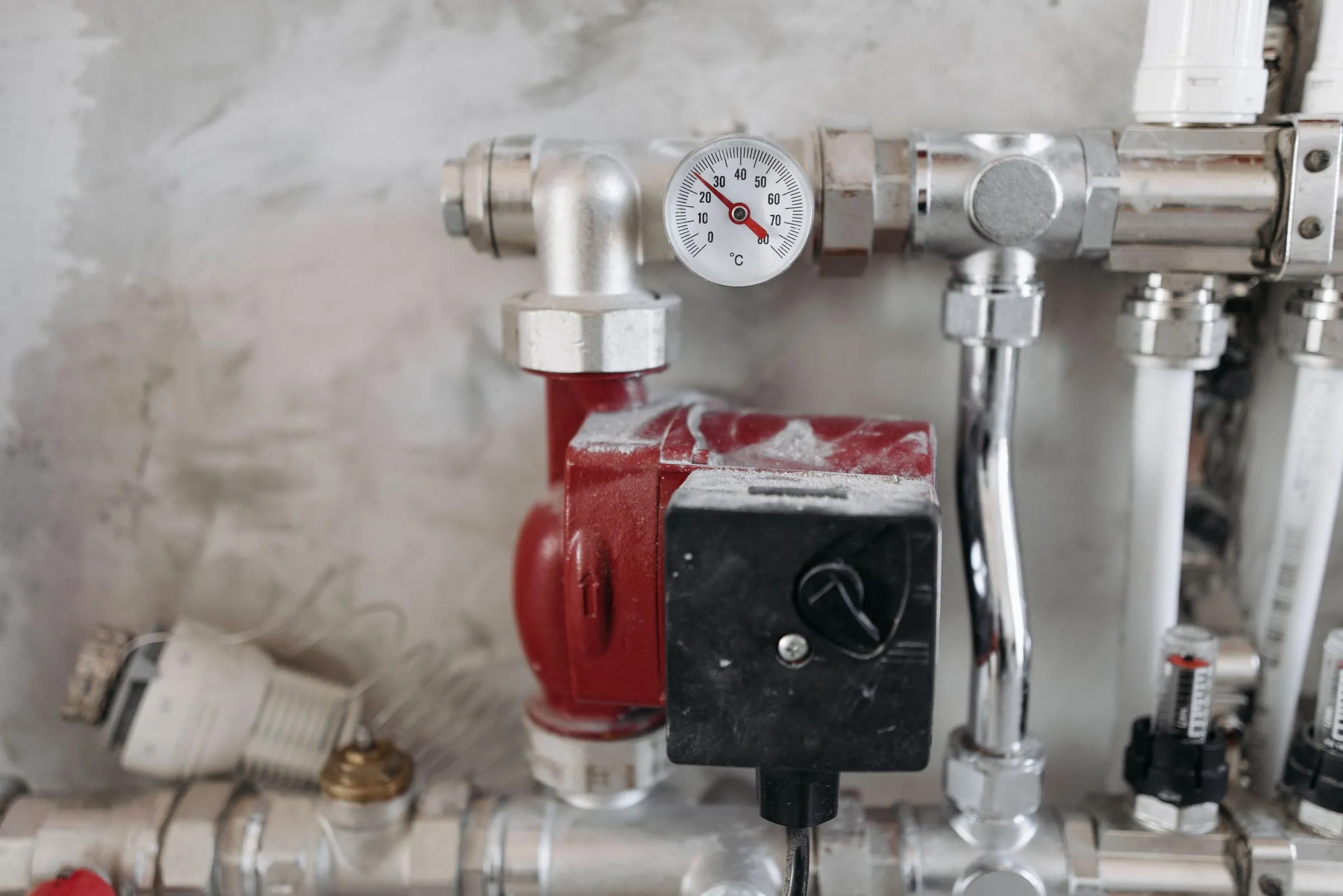
Close-up view of an industrial plumbing system featuring a pressure gauge and steel pipes.
Application Notes

O2 Trim and CO Control for Boilers: How They Save Fuel

Chemical

Talk to a sales engineer who knows chemical.

Tell us about your plant, lab or program. We’ll connect you with the right manufacturer and product.

We respond within one business day. We never share your information.