
Skip to content
Vaughn Associates, Inc.

Industry

Petrochemical & Refining

Emissions, analyzer, gas detection and fired heater instrumentation for refineries and petrochemical plants along the Gulf Coast.

Instrumentation for Petrochemical & Refining

Refineries and petrochemical plants need to measure emissions for compliance, flue and process gas composition for efficiency and corrosion control, and toxic and flammable gas levels for safety. Combustion instrumentation on fired heaters and boilers ties those needs together, because the same flue gas readings drive fuel savings, NOx performance and burner safety.

Much of this equipment runs continuously in classified areas where downtime is expensive and access is limited. Engineers look for analyzers with low maintenance, well-documented compliance performance and support that understands how a turnaround schedule or a permit deadline shapes a project.

The petrochemical and refining landscape in the Southeast

The Mississippi River industrial corridor between Baton Rouge and New Orleans is lined with refineries, olefins and polymer plants, and chemical complexes that depend on river, pipeline and rail logistics. Southwest Louisiana around Lake Charles adds another major refining and petrochemical cluster alongside LNG export facilities.

Along the Mississippi and Alabama coasts, refining and petrochemical operations extend the Gulf Coast footprint toward Pascagoula and Mobile. Together these sites operate large numbers of fired heaters, boilers, flares and sulfur units, all of which carry monitoring, safety and efficiency requirements.

Solutions we provide

  • Emissions monitoring: ENVEA (formerly Altech) supplies extractive and in-situ multi-gas analyzers, FTIR and FID analyzers, mercury, particulate and stack flow monitors, and DAHS software for Louisiana and Gulf Coast plants. See continuous emissions monitoring.
  • Process and trace analysis: Ohio Lumex offers acid dew point monitors, mercury analyzers, sorbent traps for SO3 and metals, and accredited lab and field testing. See process analyzers.
  • Gas detection: Delphian fixed catalytic, infrared and electrochemical detectors with controllers and multipoint systems for H2S and combustible gas. See gas detection systems.
  • Combustion control: LAMTEC burner management, SIL-rated flame scanners, hazardous-area lambda transmitters and O2 trim and CO/H2 control for fired heaters and boilers.
  • Temperature and signal transport: Curtiss-Wright Round Rock industrial RTDs and thermocouples, HART transmitters and fiber-optic multiplexers for tank farms and remote equipment.

Vaughn does not represent every line in every state, so check the territories page or ask us to confirm availability for your site.

How Vaughn Associates supports petrochemical and refining teams

Vaughn Associates is an independent manufacturer’s representative with a Baton Rouge office close to the river corridor. Our Gulf Coast team brings deep analytical instrumentation experience, including backgrounds in chemical plant analyzers and emissions controls.

  • Application review: we help define streams, ranges, sample handling, area classification and reporting requirements before you request pricing.
  • Quote coordination: we work with each factory on system scope, documentation and schedules. Customers typically purchase directly from the manufacturer.
  • Demos and evaluations: we arrange demonstrations, rentals or evaluations where the manufacturer supports them.
  • Follow-through: we stay involved through startup and connect you with factory service, calibration and spare parts.

Start with the For Engineers page or contact the Baton Rouge team through the territories page.
Challenges we help solve

What petrochemical & refining teams need from their instrumentation.

01

Refinery emissions compliance

Heaters, boilers, FCC units and flares fall under NSPS Subpart Ja and other air rules. Plants must continuously monitor pollutants such as SO2, NOx and CO with O2, and keep data handling defensible through audits.

02

Fired heater efficiency and safety

Process heaters burn large volumes of fuel gas. Holding excess air low without creating combustibles requires reliable O2 and CO measurement and burner safeguards that fit safety instrumented functions designed under IEC 61511.

03

Toxic and flammable gas exposure

Hydrogen sulfide, hydrogen and light hydrocarbons create fire and exposure risks around process units, sulfur handling, tank farms and loading racks.

04

Corrosion from acid gas condensation

When flue gas cools below its acid dew point, sulfuric acid condenses on air preheaters, economizers and ducts. Calculated dew points carry uncertainty, so plants either run hotter than needed or accept corrosion risk.

05

Reliable temperature and signal transport across large sites

Tank farms, heaters and process lines need rugged temperature sensors, and long cable runs to remote equipment benefit from noise-immune fiber-optic signal transport.

FAQ

Petrochemical & Refining: common questions

Why measure acid dew point directly instead of calculating it?

Calculated acid dew points depend on SO3 and moisture estimates that can be uncertain, so operators often hold flue gas temperatures conservatively high and give up heat recovery. A direct measurement shows where condensation actually begins. The Ohio Lumex Ei4200 dew point monitor measures it directly for corrosion control, scrubber approach temperature and leak alarms in sulfuric acid service.

How does CO/H2 control improve on O2 trim for fired heaters?

O2 trim holds a fixed oxygen setpoint with a safety margin, so heaters often run with more excess air than they need. LAMTEC's adaptive CO/H2 control uses a KS1D combination probe to detect when unburned gases begin to form and steers excess air toward that edge. LAMTEC rates the function SIL 2. Actual savings depend on the burner, fuel and load profile.

What belongs in a refinery CEMS specification?

Define the pollutants and diluents your permit requires, measurement ranges, extractive or in-situ sampling, hazardous-area classification, shelter or cabinet needs, data acquisition and reporting, and the QA tests the system must pass. ENVEA supplies analyzers, probes, conditioning, stack flow monitors and DAHS software as components or integrated systems, and Vaughn represents ENVEA in the Louisiana and Gulf Coast territory.

Who supports refinery and petrochemical instrumentation in Baton Rouge and along the Gulf Coast?

Vaughn Associates, Inc. serves the Mississippi River industrial corridor and the wider Gulf Coast from its Baton Rouge, Louisiana office. Its analytical and emissions specialists help plants specify CEMS, mercury and dew point analyzers, gas detection and combustion controls, then coordinate quotes and technical reviews with each manufacturer. Reach the team through /for-engineers/ or /territories/.

Related insights

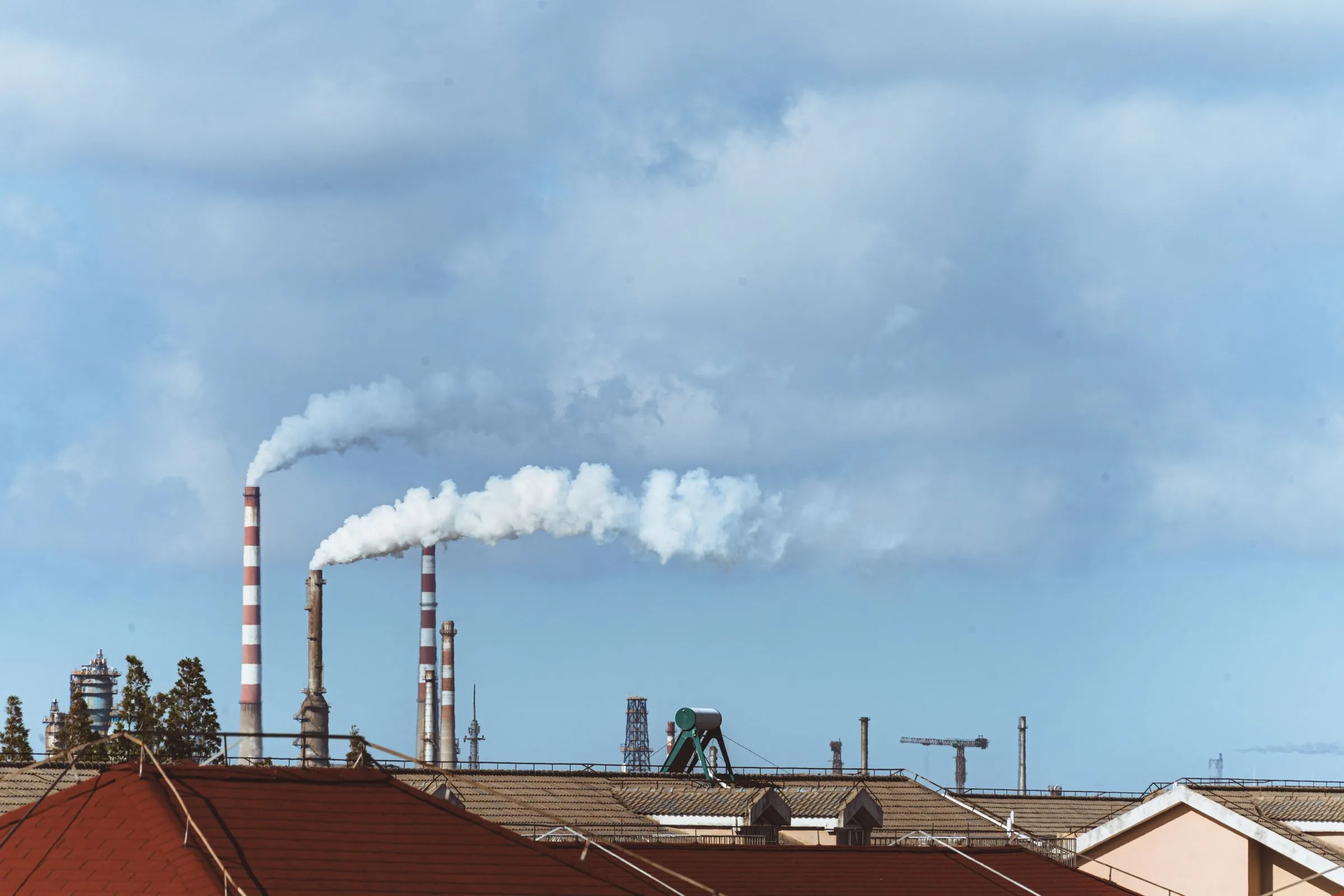
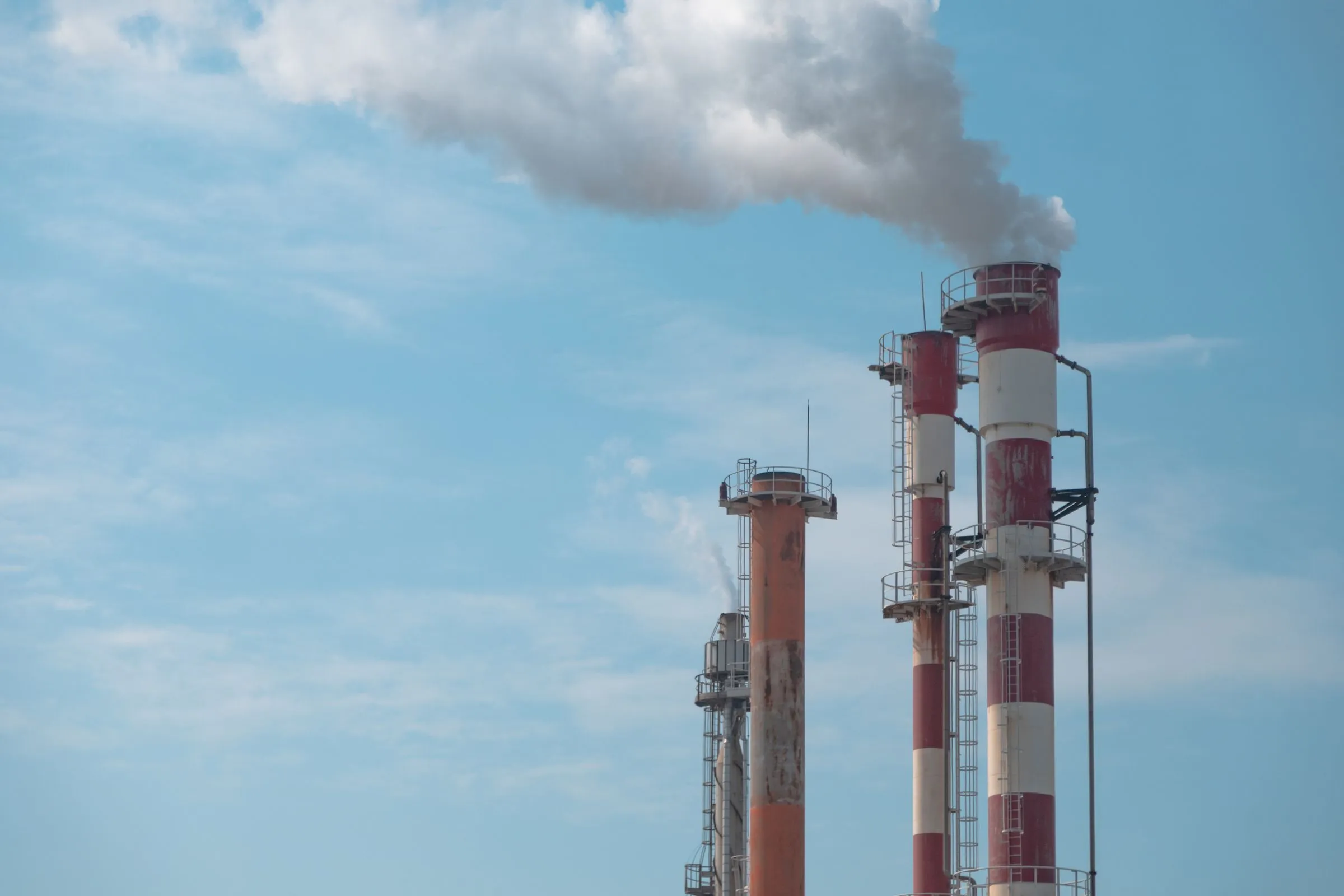
Factory chimneys emitting smoke over rooftops on a clear day, illustrating urban pollution.
Industry Insights

CEMS Basics: EPA Part 60 vs. Part 75 Emissions Monitoring

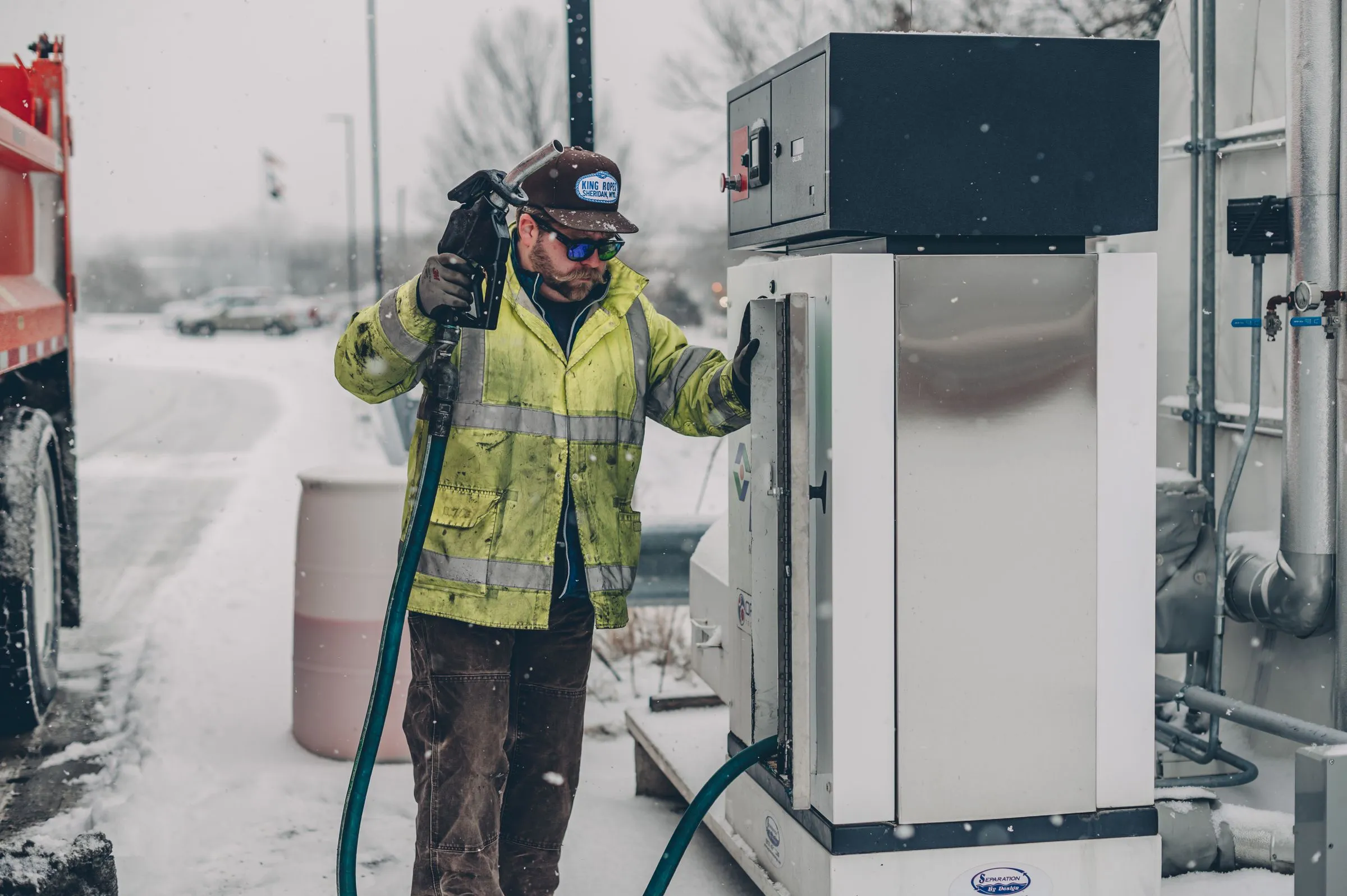
A man wearing a jacket refuels a truck at a gas station during winter with snow falling.
Application Notes

Fixed Gas Detection: Choosing Sensors, Placement & Calibration

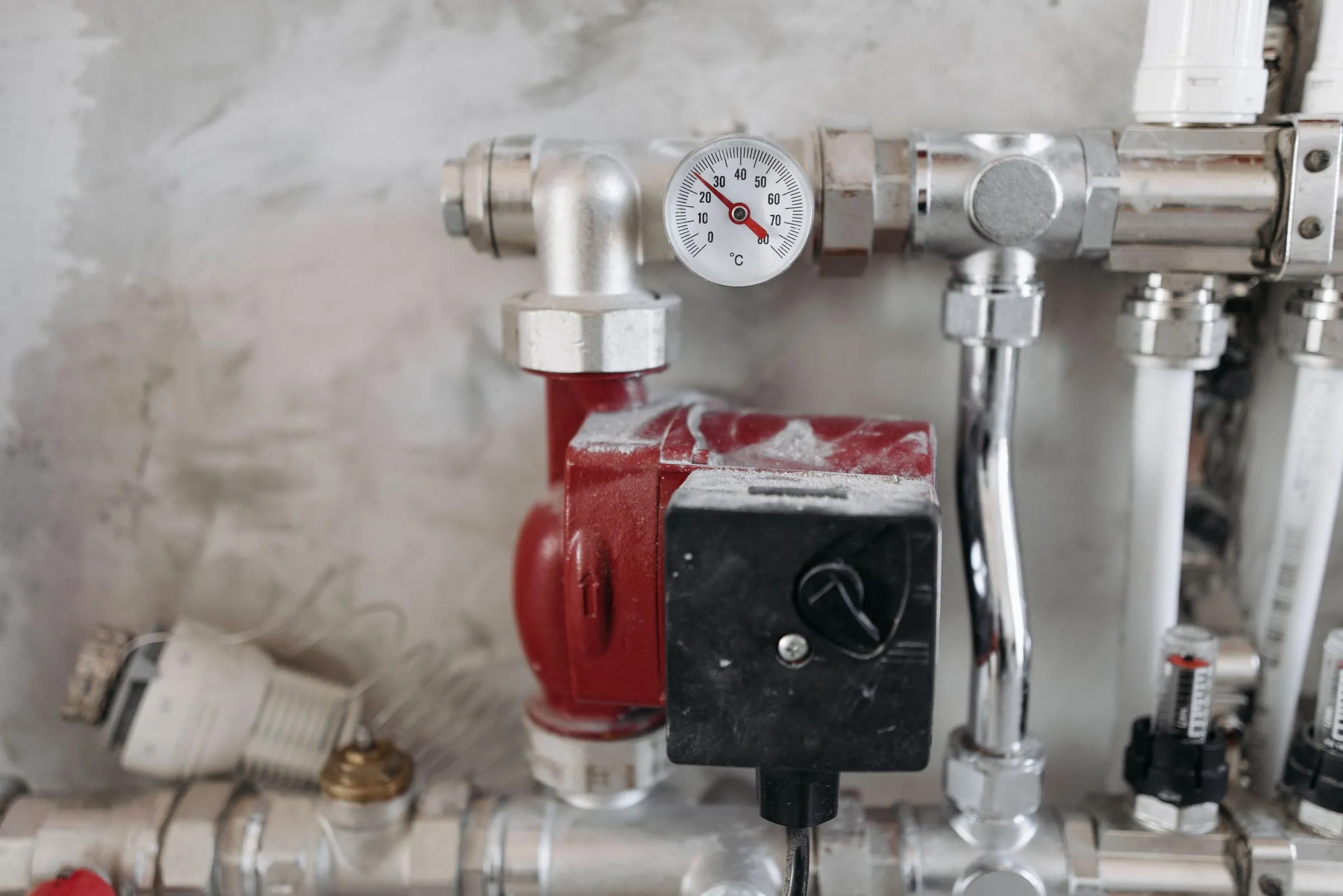
Close-up view of an industrial plumbing system featuring a pressure gauge and steel pipes.
Application Notes

O2 Trim and CO Control for Boilers: How They Save Fuel

Petrochemical & Refining

Talk to a sales engineer who knows petrochemical & refining.

Tell us about your plant, lab or program. We’ll connect you with the right manufacturer and product.

We respond within one business day. We never share your information.