

Skip to content
Vaughn Associates, Inc.

Industry

Oil & Gas

Hazardous-area gas detection, pressure, analyzer and combustion instrumentation for production, processing, pipelines and LNG.

Instrumentation for Oil & Gas

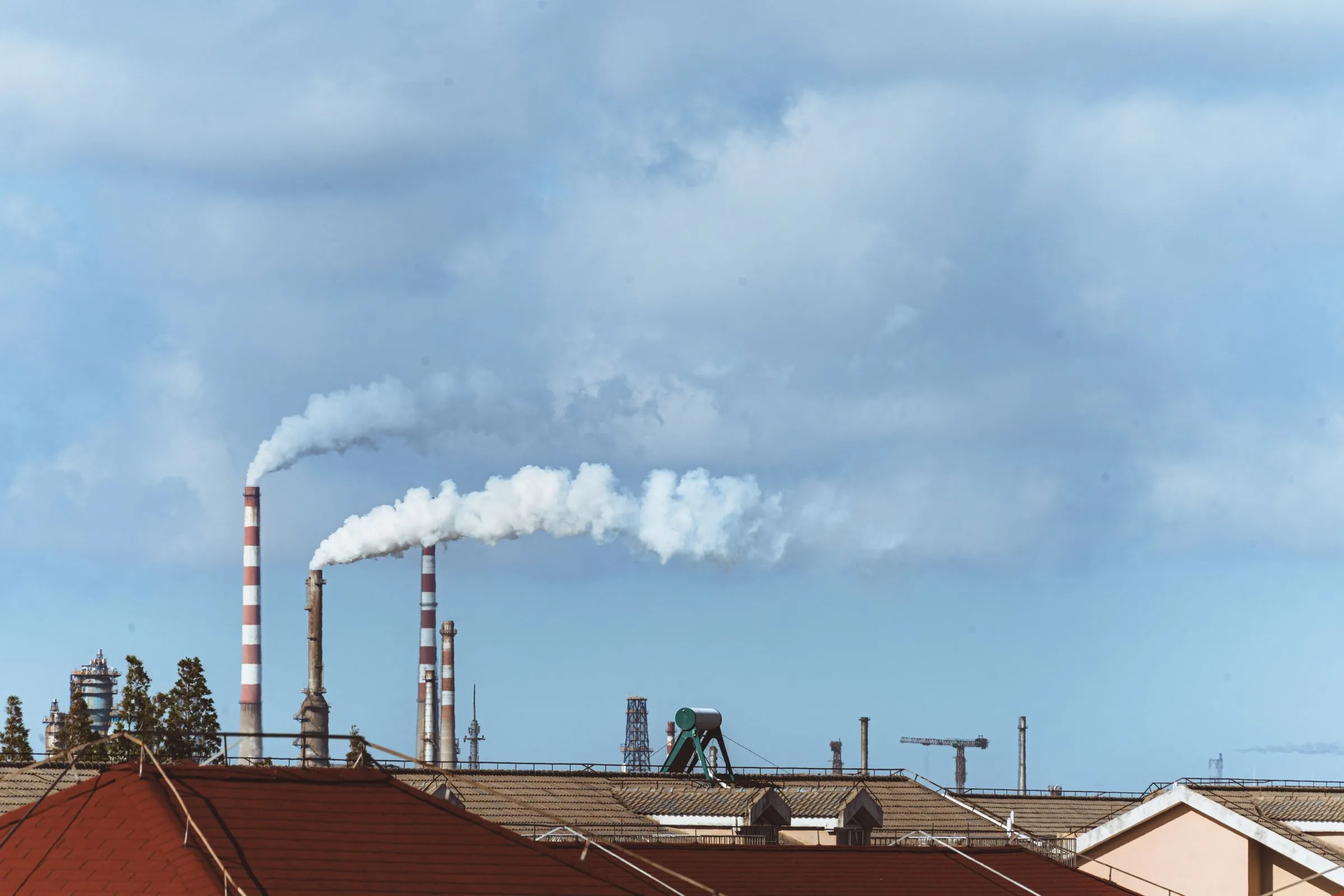
Oil and gas facilities need instrumentation that protects people, keeps equipment inside its limits and proves product and emissions meet specification. Engineers typically measure toxic and combustible gas concentrations, pressure at wellheads and process lines, trace contaminants and quality in natural gas, and combustion performance at heaters, boilers and turbines.

Most of that equipment works in classified hazardous areas, outdoors, in heat, humidity and salt air. Detectors and transmitters must carry the right approvals, survive vibration and remain easy to calibrate, because a gas detector that is out of calibration or a transducer that drifts under temperature creates both safety and production risk.

The oil and gas landscape in the Southeast

Louisiana sits at the center of Gulf Coast oil and gas activity. Offshore production in the Gulf of Mexico is supported by fabrication yards and service bases along the Louisiana, Mississippi and Alabama coasts. Onshore, gas processing plants, salt-dome storage and an extensive pipeline network move natural gas to industrial users, and LNG export terminals in southwest Louisiana ship it to global markets.

North Louisiana’s Haynesville shale remains an active natural gas play, and renewable natural gas projects at landfills and farms are adding new gas-quality measurement needs across the region. Midstream, processing and LNG operators all depend on reliable gas detection, analyzers and combustion controls.

Solutions we provide

How Vaughn Associates supports oil and gas teams

Vaughn Associates is an independent manufacturer’s representative with a Baton Rouge office focused on Gulf Coast analytical, emissions and gas detection work. Our team understands hazardous-area requirements and how instruments are specified on capital projects and maintenance replacements.

  • Application review: we help confirm gases, ranges, area classification, approvals and communications before you request pricing.
  • Quote coordination: we work with each factory on configurations and documentation. Customers typically purchase directly from the manufacturer.
  • Demos and evaluations: we arrange demonstrations or rental units where the manufacturer supports them.
  • Follow-through: we connect you with factory calibration, spare parts and technical support after startup.

Send us your application on the For Engineers page or find the Gulf Coast team on the territories page.
Challenges we help solve

What oil & gas teams need from their instrumentation.

01

H2S and combustible gas hazards

Wellsites, gas plants and compressor stations handle sour gas and hydrocarbons that can reach toxic or explosive concentrations. Fixed detection must be reliable, easy to calibrate and suitable for Class I, Division 1 and 2 areas.

02

Pressure measurement in harsh service

Wellhead, hydraulic and process pressure points see high pressure, shock, vibration and wide temperature swings, and hazardous-area installations require explosion-proof listings.

03

Mercury and gas quality in natural gas streams

Trace mercury can damage brazed aluminum heat exchangers in gas processing and LNG plants, and pipeline and RNG interconnects enforce strict gas-quality specifications.

04

Fired heater and boiler efficiency

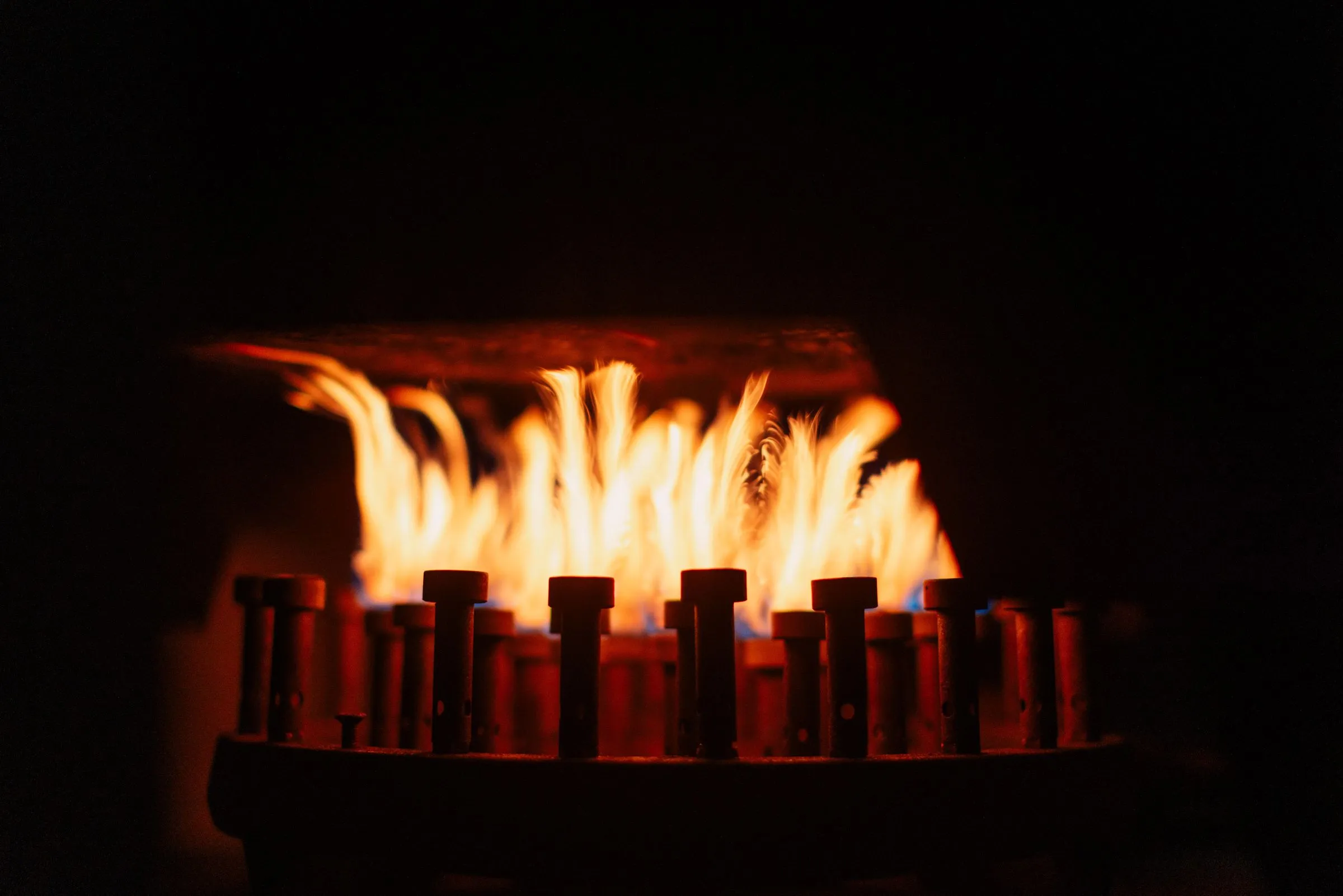
Process heaters and boilers need combustion control, flame supervision and O2 measurement that work in hazardous areas while cutting fuel use and emissions.

05

Emissions monitoring at combustion sources

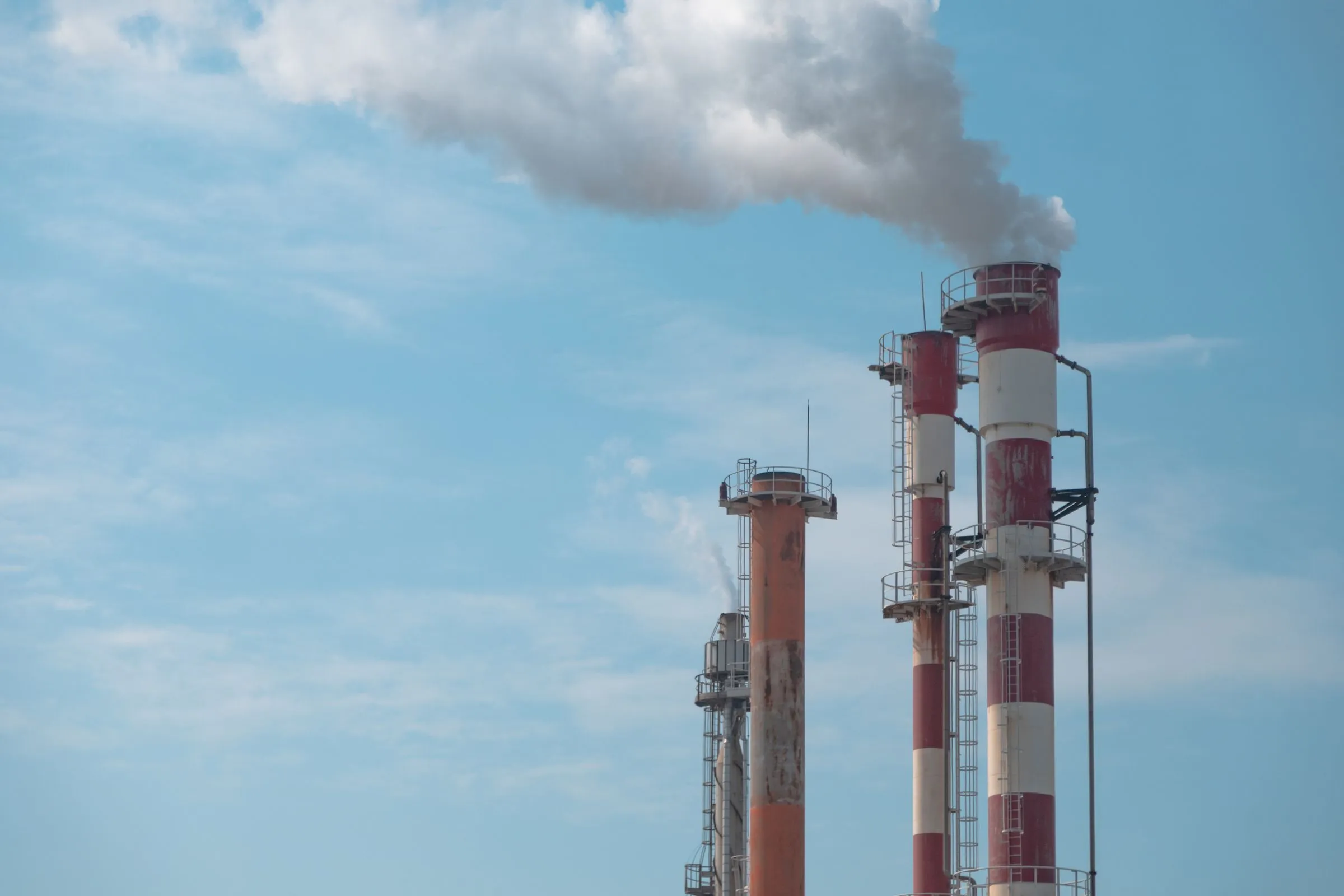
Turbines, heaters and boilers at processing, compression and LNG facilities may require continuous monitoring of NOx, CO and O2 under federal and state air permits.

Manufacturers serving oil & gas

Delphian Corporation

Fixed-point combustible and toxic gas detection, from smart single-point monitors to networked multi-point systems.

  • Gas Detection Systems

Spectre Corp

Ohio-built pressure transducers and transmitters, individually calibrated for stable accuracy in industrial and defense service.

  • Pressure Transducers & Transmitters

Ohio Lumex

Mercury, gas-quality and emissions measurement instruments backed by an accredited laboratory and field testing services.

  • Continuous Emissions & Mercury Monitoring (CEMS)
  • Process Gas & Liquid Analyzers

Formerly Altech Environment U.S.A.

ENVEA

Emissions, mercury, particulate and process monitoring, from single analyzers to complete EPA-oriented CEMS packages.

  • Continuous Emissions & Mercury Monitoring (CEMS)
  • Process Gas & Liquid Analyzers

Formerly LAMTEC Meß- und Regeltechnik für Feuerungen GmbH & Co. KG

LAMTEC

German combustion management, flame safeguard and in-situ flue gas measurement for safer, cleaner and more efficient industrial burners.

  • Combustion Control & O2 Trim
  • Process Gas & Liquid Analyzers

Formerly Ultra Electronics Nuclear Sensors & Process Instrumentation (NSPI)

Curtiss-Wright Round Rock

Aerospace RTDs, nuclear-qualified temperature and pressure instrumentation, and fiber-optic products engineered in Round Rock, Texas, since 1968.

  • Temperature Sensors & RTDs
  • Pressure Transducers & Transmitters

RDP Electrosense

LVDTs, load cells, pressure transducers and signal conditioning from an independent displacement-sensing specialist founded in 1966.

  • LVDT & Displacement Sensors
  • Load Cells, Force & Torque Sensors
  • Pressure Transducers & Transmitters

FAQ

Oil & Gas: common questions

Should an oil and gas facility use catalytic bead or infrared combustible gas detectors?

Infrared detectors resist the catalyst poisons that degrade catalytic beads and monitor themselves continuously, which reduces calibration work in hydrocarbon service. Catalytic bead sensors cost less, tolerate dirty air and respond to hydrogen, which infrared cannot detect. Delphian makes both, including the FM and CSA approved Determinator infrared detector, so the choice can follow the gas and the area.

Why measure mercury in natural gas?

Mercury in feed gas can attack the brazed aluminum heat exchangers used in gas processing and LNG liquefaction, and it poses an exposure concern during maintenance. Ohio Lumex offers the Ei2500 mercury monitoring system for natural gas, laboratory attachments for gas samples, and field sampling with accredited lab analysis. ENVEA also lists a natural gas version of its MMS multipoint mercury monitor.

Which pressure transducer is rated for Class I, Division 1 locations?

Spectre Corp's EX46HP is its explosion-proof transducer. The data sheet lists Class I, Division 1, Groups B, C and D; Class II, Division 2, Groups E, F and G; and Class III, referencing UL 1203, CSA C22.2 No. 30 and FM 3615, with NEMA 4X, 7 and 9 ratings. Confirm the listing for your exact configuration before installation.

Where can oil and gas engineers in Louisiana and the Gulf Coast get instrumentation support?

Vaughn Associates, Inc. has an office in Baton Rouge, Louisiana, with sales engineers covering Louisiana, South Mississippi, South Alabama and the Florida Panhandle, backed by its Huntsville, Alabama headquarters. The team reviews gas detection, analyzer, pressure and combustion applications, coordinates quotes with each manufacturer and arranges demonstrations where the factory supports them. Find your rep at /territories/.

Related insights

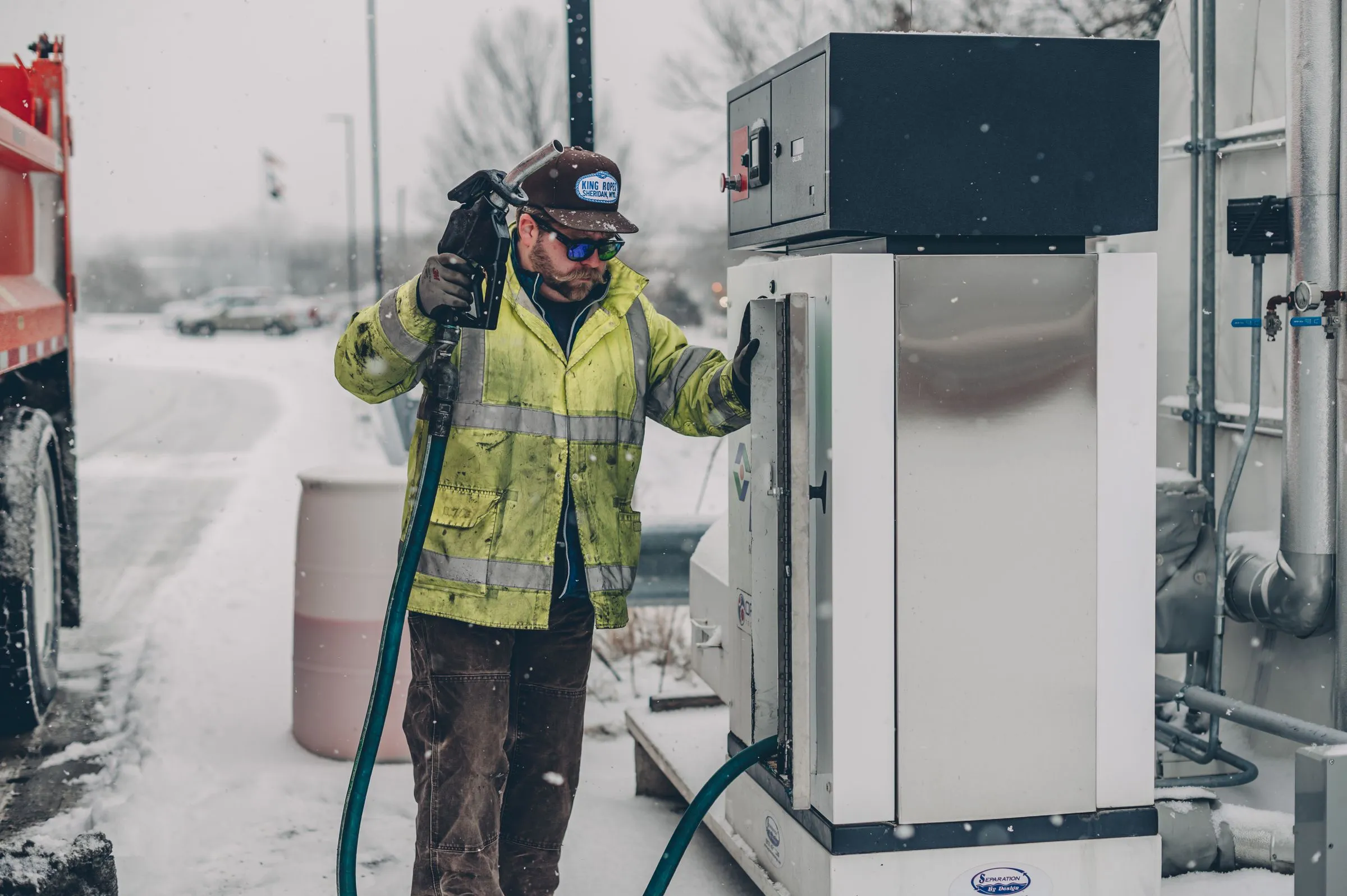
A man wearing a jacket refuels a truck at a gas station during winter with snow falling.
Application Notes

Fixed Gas Detection: Choosing Sensors, Placement & Calibration

Oil & Gas

Talk to a sales engineer who knows oil & gas.

Tell us about your plant, lab or program. We’ll connect you with the right manufacturer and product.

We respond within one business day. We never share your information.